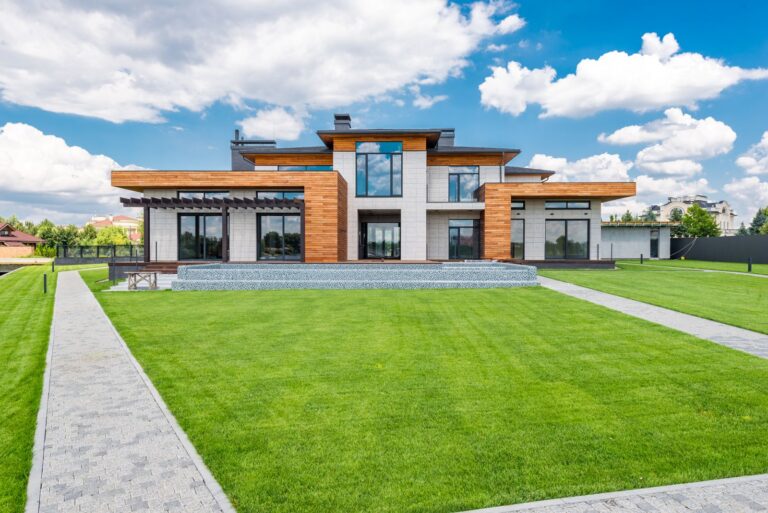
How Window Film Keeps Your Home Cooler Without Darkening It
Modern residential film blocks heat and UV while letting daylight through. Here is how it works and what to expect in a real room.
Home / Blog
Car, Home and Office Window Film Advice
The Paliroc window tinting blog shares practical guides from our team at 6901 Security Blvd in Windsor Mill, MD. Learn how ceramic, carbon and dyed tint differ, how home window film keeps rooms cool without darkening them, and what to ask before you book a car, home or commercial install. We add new guides as customers bring us new questions, so check back before your next project.

Modern residential film blocks heat and UV while letting daylight through. Here is how it works and what to expect in a real room.
Dyed, carbon and ceramic films can look alike on the glass but perform very differently. Here is how to choose the right one for how you drive.
Browse by Topic
Every guide on the window tinting blog answers a question we hear at the studio, written by the same team that installs the film. We keep each guide short, practical and specific to Maryland, from the legal shade for your vehicle to the right film for a sunny room. Pick a topic to start, or call 667 438 7433 if you want an answer for your own car, home or building.
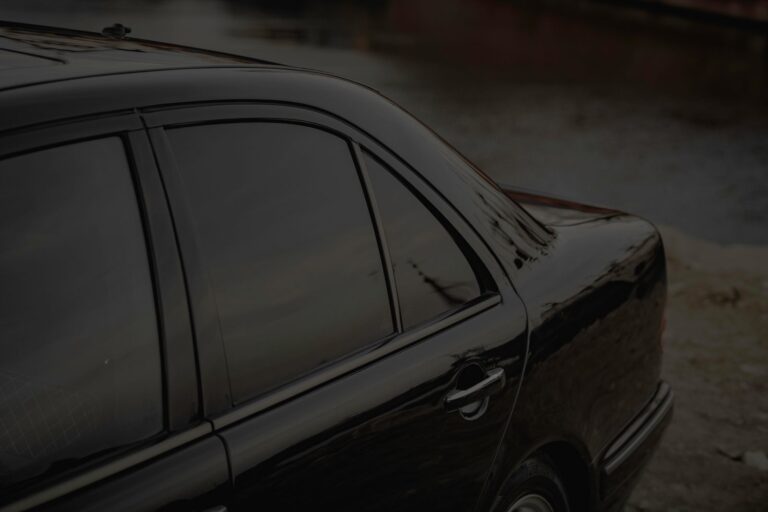
Compare dyed, carbon and ceramic film, learn what VLT numbers mean and see which shade fits your car. Start with ceramic vs carbon vs dyed tint or our car window tinting page.
Find out how spectrally selective film cuts heat and UV without a darker room, how film protects floors and furniture, and when privacy or safety film is the better choice. Read how window film keeps your home cooler. Window film can block up to 99.9 percent of UV, according to The Skin Cancer Foundation.
Maryland sets one tint law for every county: 35 percent on sedan windows and on the front doors of SUVs, vans and light trucks, with any shade allowed behind the driver on SUVs, vans and light trucks. The window tinting blog explains what that means for your vehicle. Read our tint law FAQ or the Maryland State Police guidance.
For most drivers, ceramic tint. It rejects the most infrared heat at a given shade, keeps a clear view at night and does not interfere with phone, GPS or key fob signals. Carbon film is a good mid-range choice, and dyed film is the budget option.
Not if you choose a spectrally selective film. It looks nearly clear, keeps most of your daylight and still cuts heat, glare and UV at the glass.
Every side and rear window on a sedan or coupe must be 35 percent or lighter. On SUVs, vans and light trucks, the front door windows must be 35 percent or lighter, and the windows behind the driver can be any shade.
Yes. Call or text 667 438 7433 or send a message through the quote form, and we will answer your question directly and may cover it in a future window tinting blog guide.
Call or send a quote request and we will answer it directly.